What Camp Incident Reports Often Reveal—and What They Often Miss
Updated: 2 days ago

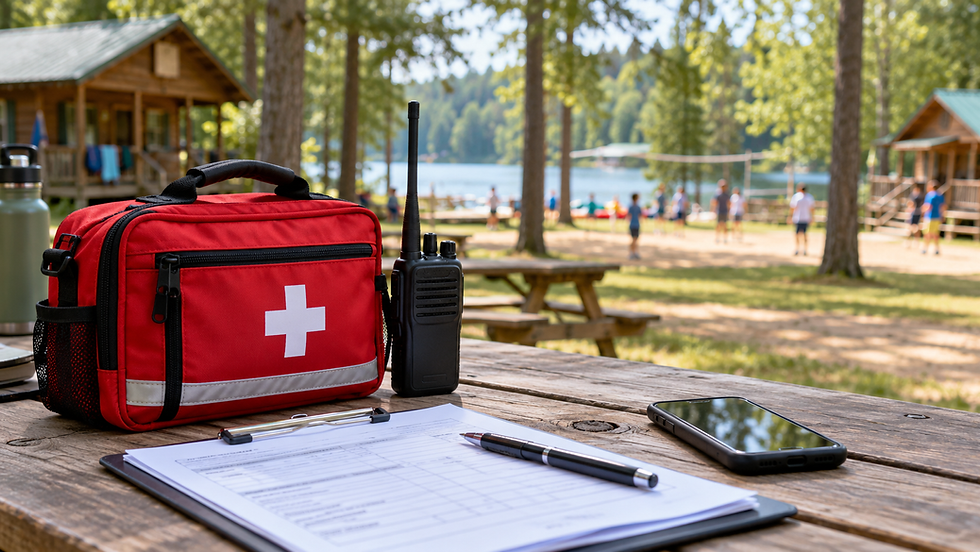
Following a camper injury, illness, behavioral incident, or other significant event, camp personnel are typically required to complete an incident report.
These reports can become important documents in subsequent litigation and may provide valuable information about what occurred.
Attorneys should also recognize, however, that incident reports often tell only part of the story.
What Incident Reports Often Reveal
A well-prepared incident report may help establish important facts, including:
The date, time, and location of the incident
Individuals directly involved
Immediate observations made by staff
Actions taken following the event
Medical care provided
Notifications made to parents, guardians, or emergency responders
Incident reports may also help identify potential witnesses, establish timelines, and preserve information that could become difficult to recall accurately later.
For these reasons, an incident report is often one of the first documents reviewed when evaluating a camp-related incident.
What Incident Reports Often Miss
While incident reports frequently describe what happened, they may provide much less information about why it happened.
For example, a report might document that a camper left a supervised area, suffered an injury during an activity, or became involved in an altercation.
It may not address broader operational questions such as:
What supervision systems were in place?
Were staffing levels appropriate for the circumstances?
Had similar incidents occurred previously?
Were camp policies followed?
What training had the staff received?
Were known risks identified and addressed?
Were accountability procedures functioning as intended?
How were staff assigned and supervised?
Those questions may become important when evaluating the broader operational context surrounding an incident.
The Importance of Context
Camp personnel completing an incident report are generally focused first on responding to the event itself.
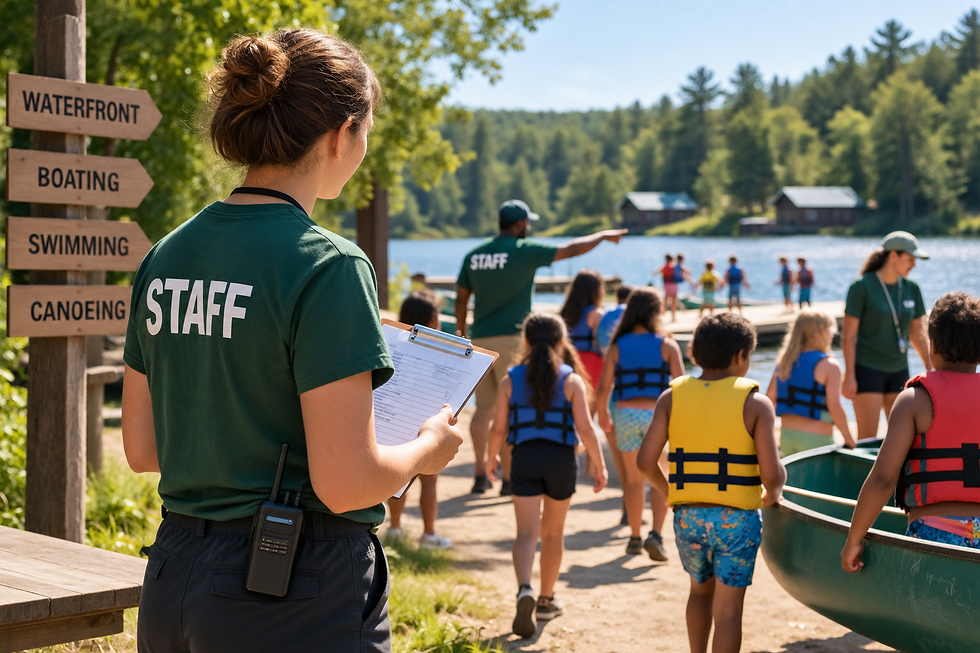
They may be caring for campers, communicating with parents, coordinating with health personnel or emergency responders, managing other campers and staff, and addressing immediate operational concerns.
As a result, incident reports are often written quickly and may not capture every relevant circumstance.
Information that later becomes important may also have been unknown to the person preparing the report at the time it was written.
For that reason, an incident report is often best viewed as a starting point for investigation rather than a complete explanation of the event.
Looking Beyond the Incident Report
When evaluating a camp-related claim, other records may help provide the operational context that an incident report alone cannot supply.
Depending upon the circumstances, relevant materials may include:
Staff training records
Personnel files
Supervision policies
Emergency action plans
Activity-specific procedures
Staff schedules and assignments
Prior incident histories
Internal communications
Health or medical records, where applicable
Photographs or facility information
Witness statements or testimony
These materials may help clarify how the camp was operating before, during, and after the incident.
They can also provide information about staffing, training, supervision, policies, communication, prior knowledge, and decision-making that may not appear in the incident report itself.
What the Report Does—and Does Not—Establish
An incident report can be particularly useful for identifying contemporaneous facts: who was present, what was observed, what actions were taken, and when events occurred.
But the absence of information from an incident report does not necessarily establish that something did not happen.
Likewise, the presence of a statement in a report does not necessarily answer broader questions about whether the camp's systems, staffing, supervision, or procedures were appropriate under the circumstances.
A meaningful operational analysis generally requires considering the report together with the other available evidence.
Evaluating the Broader Operational Picture
Incident reports can provide valuable factual information, but they rarely answer every question relevant to a camp injury or supervision claim.
Understanding both what a report contains and what it omits can help attorneys identify additional records, testimony, and operational issues that may warrant examination.
In many matters, some of the most useful information is found not within the incident report itself, but in the broader context surrounding the event.
About Kevin Gordon
Kevin Gordon provides expert witness and consulting services relating to summer camp operations, supervision, staffing and training, safety, emergency response, aquatics, and related youth-program issues.
With over 40 years of experience in camps and youth programming, his background includes camp ownership and direction, risk management, waterfront operations, staff supervision and training, consulting, and camp-industry leadership.
He accepts engagements from both plaintiff and defense counsel throughout the United States and Canada.
*This article provides general information concerning summer camp operations and incident documentation. It is not legal advice and does not express an opinion regarding any particular case, organization, incident, or party.